
Club Car Service Manual PDF: A Comprehensive Guide
Navigating Club Car maintenance requires the right resources; a detailed PDF service manual is paramount for owners and technicians alike, ensuring optimal vehicle performance.
Accessing these manuals unlocks a wealth of information, from routine checks to complex repairs, extending the lifespan and reliability of your Club Car.
Decoding vehicle specifics via the VIN is crucial for selecting the correct manual, guaranteeing accurate procedures and part identification for your specific model.
Understanding Club Car Models & Manual Availability
Club Car manufactures a diverse range of vehicles, including golf cars, utility vehicles (UTVs), and personal transportation vehicles (PTVs). Each model – from classic gas-powered designs to modern electric options – possesses unique characteristics demanding specific service procedures. Consequently, a generalized repair approach is insufficient; the correct service manual tailored to your Club Car’s model year and configuration is absolutely essential.
Manual availability varies. Official Club Car service manuals, often in PDF format, are typically accessible through authorized Club Car dealers or directly from Club Car’s official website. However, older models may have limited digital availability, potentially requiring sourcing through third-party vendors or specialized repair publications. The VIN (Vehicle Identification Number) plays a critical role in pinpointing the exact manual needed, as it details the vehicle’s specifications and production date.
Furthermore, understanding the distinctions between gas and electric models is vital. Gas-powered Club Cars necessitate manuals covering engine maintenance, fuel systems, and drivetrain components, while electric models require documentation focused on battery systems, motors, and electrical circuitry.
Locating Official Club Car Service Manuals (PDF)
The primary source for official Club Car service manuals in PDF format is through authorized Club Car dealers. Contacting your local dealer directly is often the most reliable method, providing access to the latest revisions and ensuring authenticity. Alternatively, the official Club Car website may offer downloadable manuals, particularly for newer models, often within a dedicated support or owner’s section.
However, accessing older manuals digitally can be more challenging. Some online parts retailers specializing in Club Car components may offer PDF manuals for purchase. Be cautious when sourcing from third-party websites, verifying the manual’s completeness and accuracy before committing to a purchase.
Utilizing the Club Car VIN (Vehicle Identification Number) when searching is crucial. Providing the VIN to a dealer or online retailer streamlines the process, ensuring you receive the manual specifically designed for your vehicle’s configuration. Remember to check for compatibility with your model year and engine type.
Importance of Using the Correct Manual
Employing the precise service manual tailored to your Club Car model is absolutely critical for successful and safe repairs. Utilizing an incorrect manual can lead to misdiagnosis, improper repair procedures, and potentially, further damage to your vehicle. Different models, even within the same year, can have significant variations in components and systems.
Incorrect procedures can compromise safety features, affecting braking, steering, or electrical systems. A manual designed for a gas-powered model will be entirely unsuitable for an electric Club Car, and vice versa. Accurate torque specifications, wiring diagrams, and parts lists are essential, and these vary considerably between models.
Furthermore, using the wrong manual may void any existing warranty coverage. Always verify the manual’s applicability to your vehicle’s VIN and engine type before commencing any maintenance or repair work. Prioritize accuracy to ensure both your safety and the longevity of your Club Car.
Decoding Club Car VIN Numbers for Manual Identification
The Club Car Vehicle Identification Number (VIN) is a unique 17-character code holding crucial information for identifying the correct service manual. This alphanumeric sequence details the vehicle’s manufacturing specifics, including the year of production, model type, engine configuration, and original equipment.
Decoding the VIN allows precise manual selection, avoiding the risks associated with using a generic or incorrect guide. Online VIN decoders, readily available through Club Car resources and automotive websites, translate the code into understandable data. The decoder reveals the exact model and specifications, ensuring compatibility.
Specifically, the VIN indicates whether the vehicle is gas or electric, the model series (e.g., DS, Precedent, Villager), and any factory-installed options. This detailed information is vital for accessing the correct diagrams, parts lists, and repair procedures within the service manual. Accurate identification streamlines the repair process and guarantees optimal results.
Common Club Car Models Covered in Manuals
Club Car service manuals comprehensively cover a wide range of models, catering to diverse needs and applications. The classic DS series, known for its durability, frequently appears in older manuals, detailing gas and electric versions. Newer models like the Precedent, with its modern design and enhanced features, have dedicated manuals focusing on its unique components.
The Villager series, often utilized for neighborhood transportation, also receives specific coverage, addressing its distinct configurations. Carryall models, designed for utility and work purposes, have manuals detailing their robust construction and specialized features.
Furthermore, manuals often include sections for limited-edition or specialized models, ensuring all Club Car owners have access to the necessary repair information. Identifying your specific model is crucial when selecting a manual, guaranteeing accurate procedures and parts compatibility.
Gas-Powered Club Car Models
Gas-powered Club Car service manuals prioritize detailed engine diagnostics and repair procedures. Common models like the DS and Carryall, equipped with Kawasaki or Kohler engines, receive extensive coverage. Manuals dissect fuel systems, ignition components, and valve train adjustments, enabling precise troubleshooting.
Specific attention is given to carburetor maintenance, including cleaning and rebuilding procedures, vital for optimal performance. Detailed sections address governor adjustments, ensuring proper engine speed regulation. Furthermore, manuals cover the intricacies of the powertrain, encompassing clutches, transmissions, and drive belts.
Troubleshooting guides assist in identifying issues like overheating, poor acceleration, and excessive fuel consumption. Safety precautions are emphasized throughout, highlighting the importance of proper handling of fuel and exhaust systems. These manuals are essential for maintaining peak engine efficiency.
Electric Club Car Models
Electric Club Car service manuals focus on the unique aspects of battery-powered systems. Models like the DS and Carryall, utilizing electric motors and controllers, receive comprehensive attention. Manuals detail battery maintenance, including charging procedures, specific gravity testing, and cable inspection, crucial for longevity.
Extensive wiring diagrams are provided, aiding in the diagnosis of electrical faults. Detailed sections cover motor repair, controller troubleshooting, and solenoid testing. Understanding the regenerative braking system is also emphasized, ensuring efficient energy recovery.
Troubleshooting guides assist in resolving issues like reduced range, motor failure, and controller malfunctions. Safety is paramount, with warnings regarding high-voltage components and proper grounding techniques. These manuals are indispensable for maintaining optimal performance and extending the life of electric Club Cars.
Key Sections Found in a Club Car Service Manual
Comprehensive Club Car service manuals are structured to cover all facets of vehicle maintenance and repair; Typically, they begin with safety precautions and general information about the vehicle’s components. Detailed exploded diagrams illustrate parts assembly and disassembly, simplifying complex procedures.
Dedicated sections address the engine (for gas models) or electrical system (for electric models), providing in-depth troubleshooting guides. Brake system overhauls, steering and suspension adjustments, and body repair procedures are also extensively covered.
Preventative maintenance schedules outline routine checks and servicing intervals, ensuring long-term reliability. Wiring diagrams are crucial for electrical diagnostics, while a parts list facilitates accurate component identification. These manuals are essential resources for both professional technicians and DIY enthusiasts;
Engine & Powertrain Troubleshooting (Gas Models)
Gas-powered Club Car service manuals dedicate significant sections to engine and powertrain diagnostics. Common issues like starting difficulties, rough idling, and power loss are addressed with step-by-step troubleshooting procedures. Detailed diagrams illustrate fuel system components, ignition systems, and valve train mechanisms.
Manuals guide users through carburetor adjustments, spark plug replacement, and timing checks. Transmission and differential servicing, including fluid changes and gear inspections, are also covered. Specific attention is given to identifying and resolving issues with the governor, ensuring proper engine speed regulation.
Troubleshooting charts help pinpoint the root cause of problems, while torque specifications ensure correct fastener tightening. These sections empower owners and technicians to efficiently diagnose and repair gas engine and powertrain concerns.

Electrical System Diagnostics (Electric Models)
Electric Club Car service manuals prioritize comprehensive electrical system diagnostics. Detailed wiring diagrams are central, illustrating the connections between the motor, controller, batteries, and other components. Troubleshooting guides address common issues like no-start conditions, reduced speed, and erratic operation.
Manuals provide procedures for testing battery pack voltage, state of charge, and individual cell health. Controller diagnostics, including fault code interpretation and parameter adjustments, are thoroughly explained. Motor testing procedures help identify winding faults and brush wear.
Sections cover solenoid, resistor, and wiring harness inspection, emphasizing the importance of identifying corrosion or damage. Using a multimeter and other diagnostic tools is explained, empowering users to efficiently pinpoint and resolve electrical system problems.
Brake System Maintenance & Repair
Club Car service manuals dedicate significant attention to brake system upkeep, covering both mechanical and hydraulic systems. Detailed instructions guide users through brake pad inspection and replacement, ensuring optimal stopping power. Procedures for adjusting brake cables and linkages are clearly outlined, maintaining proper pedal feel.
Manuals detail hydraulic brake system bleeding procedures, eliminating air bubbles and restoring braking efficiency. Wheel cylinder and master cylinder repair or replacement steps are included, alongside torque specifications for all fasteners. Troubleshooting guides address common issues like spongy brakes, pulling, and excessive wear.
Emphasis is placed on inspecting brake lines and hoses for leaks or damage, promoting safety. Diagrams illustrate component locations and assembly, simplifying the repair process. Proper lubrication points are identified, extending brake system component life.
Steering & Suspension Overhaul
Club Car service manuals provide comprehensive guidance on steering and suspension systems, vital for ride quality and handling. Detailed procedures cover tie rod end replacement, wheel alignment, and steering gear adjustment, ensuring precise control. Instructions for inspecting and replacing shocks and struts are included, restoring ride comfort.
Manuals illustrate the disassembly and reassembly of suspension components, like leaf springs or independent suspension setups. Torque specifications for all fasteners are critical, maintaining structural integrity. Troubleshooting sections address issues like wandering steering, uneven tire wear, and excessive body roll.
Emphasis is placed on inspecting ball joints, bushings, and other wear items, preventing premature failure. Diagrams clearly show component locations and relationships. Proper lubrication points are identified, extending component lifespan and minimizing maintenance needs.
Body & Chassis Repair Procedures
Club Car service manuals dedicate sections to body and chassis repair, covering everything from minor cosmetic damage to structural fixes. Detailed instructions guide users through panel replacement, dent repair, and frame straightening techniques. Specific welding procedures are outlined, ensuring structural integrity and safety.
Manuals include diagrams illustrating chassis component locations and assembly. Procedures for repairing or replacing floor pans, rocker panels, and other body parts are thoroughly explained. Paint and finish recommendations are provided, achieving a factory-like appearance.
Emphasis is placed on proper alignment and fastening techniques, preventing future issues. Instructions cover the removal and installation of beds, roofs, and other accessories. Safety precautions are highlighted, especially when working with welding equipment or structural components.

Preventative Maintenance Schedules
Club Car service manuals feature comprehensive preventative maintenance schedules, crucial for longevity and performance. These schedules are typically categorized by operating hours or mileage, detailing tasks for various intervals. Regular checks of fluid levels (oil, coolant, brake fluid) are prioritized, alongside filter replacements (air, fuel, oil).
Manuals outline tire inspection and inflation guidelines, ensuring optimal handling and safety. Lubrication points for steering, suspension, and other moving parts are clearly identified. Belt and chain tension adjustments are detailed, preventing premature wear.
Specific procedures for inspecting and maintaining the electrical system are included, covering batteries, wiring, and connections. Schedules also address brake system inspections and adjustments. Adhering to these schedules minimizes downtime and costly repairs, maximizing the vehicle’s lifespan.
Using the Club Car VIN Decoder
A Club Car VIN (Vehicle Identification Number) decoder is an invaluable tool when sourcing the correct service manual PDF. The 17-character VIN holds critical information about your specific vehicle, including the year of manufacture, model type, engine specifications, and original equipment.
Online VIN decoders, readily available, translate this code into human-readable data. This ensures you download a manual tailored to your Club Car’s exact configuration, avoiding incorrect procedures or part numbers. Decoding reveals details like gas versus electric powertrain, specific model variations, and trim levels.
Accurate identification is vital, as manuals differ significantly between models. Utilizing the VIN decoder streamlines the process, eliminating guesswork and guaranteeing compatibility. Always verify the decoded information against your vehicle’s documentation for confirmation.
Club Car Forums & Online Resources for Manuals
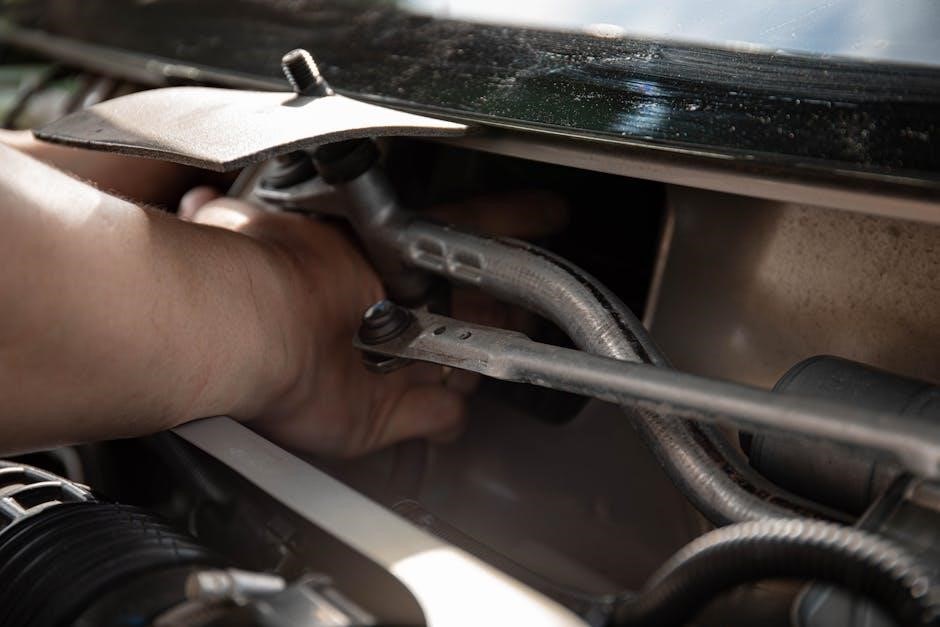
Numerous online forums and communities dedicated to Club Car vehicles serve as excellent resources for locating service manual PDFs. These platforms often host dedicated threads where members share links to downloadable manuals, troubleshooting tips, and repair advice.
Club Lexus, while primarily focused on Lexus vehicles, demonstrates the power of automotive forums for information sharing. Similarly, Club Car-specific forums provide a focused environment for owners and technicians. Searching these forums using keywords like “service manual,” “PDF,” and your specific model number can yield positive results.
Beyond forums, websites specializing in automotive manuals may offer Club Car PDFs for purchase or free download. However, exercise caution and verify the source’s legitimacy to avoid downloading corrupted or inaccurate files. Community collaboration often provides the most reliable access.
Safety Precautions When Performing Repairs
Prioritizing safety is paramount when undertaking any Club Car repair, referencing your service manual’s safety section is crucial. Always disconnect the battery on electric models before commencing electrical work to prevent accidental shorts and shocks. For gas-powered vehicles, disconnect the spark plug wire.
Wear appropriate personal protective equipment (PPE), including safety glasses, gloves, and sturdy footwear. Ensure the work area is well-ventilated, especially when dealing with fuels or solvents. Utilize jack stands when lifting the vehicle to prevent it from collapsing.
Be mindful of hot engine components and exhaust systems on gas models. Properly dispose of used fluids and parts according to local regulations. Consult the service manual for specific safety warnings related to each repair procedure, and never attempt a repair beyond your skill level.
Understanding Warranty Information & Service Centers
Your Club Car’s warranty coverage is detailed in the owner’s manual, often referencing specific service procedures found within the official service manual PDF. Understanding the terms – duration, covered components, and exclusions – is vital before attempting repairs. Unauthorized modifications or improper maintenance can void the warranty.
For warranty claims or complex repairs exceeding your capabilities, locate an authorized Club Car service center. These centers employ certified technicians with access to specialized tools and the latest diagnostic information; The Club Car website provides a dealer locator to find the nearest authorized service provider.

Keep records of all maintenance and repairs, including dates, services performed, and parts replaced. This documentation is essential for warranty validation and maintaining the vehicle’s service history. Referencing the service manual during these visits ensures consistent and correct maintenance.
Alternative Manual Sources & Considerations
While official Club Car service manuals (PDF) are the gold standard, alternative sources exist. Third-party providers may offer repair manuals, but verify their accuracy and completeness against official diagrams and procedures. Online forums and communities can be valuable for troubleshooting, but treat information with caution.
Consider the age and model of your Club Car when selecting a manual. Older models may have limited digital resources, requiring physical manuals or microfiche access. Reprinted or scanned copies may suffer from poor quality; prioritize clear, legible documentation.
Beware of incomplete or outdated manuals. Always cross-reference information and prioritize safety. Using an incorrect manual can lead to improper repairs, damage, or injury. Supplement any alternative source with the official VIN decoder to confirm model-specific details.