An Idiot’s Guide to Wine
Embarking on a wine journey needn’t be intimidating! This guide simplifies the world of wine, offering accessible knowledge for beginners to confidently explore and enjoy.
What is Wine? A Basic Definition
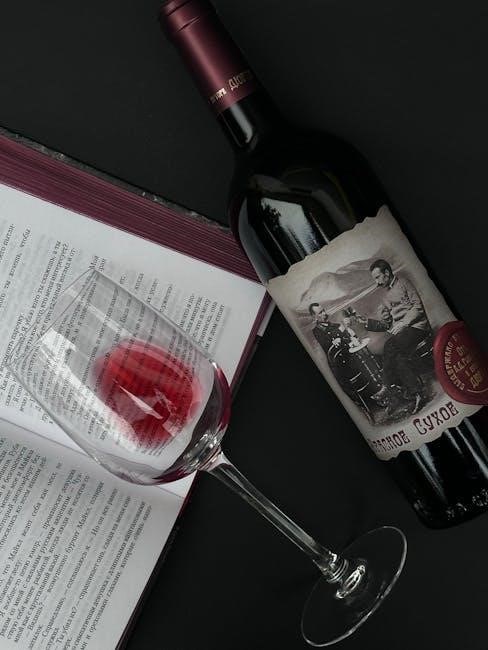
At its core, wine is an alcoholic beverage made from fermented grapes. But it’s so much more than that! The process involves yeast consuming the sugars in grapes, converting them into ethanol (alcohol) and carbon dioxide. This seemingly simple act creates a beverage with incredible complexity and nuance.
Wine has been a part of human civilization for millennia, with evidence of winemaking dating back thousands of years. Different grape varieties, climates, and winemaking techniques all contribute to the vast diversity of wines available today. Essentially, wine represents a fascinating intersection of agriculture, science, and art.
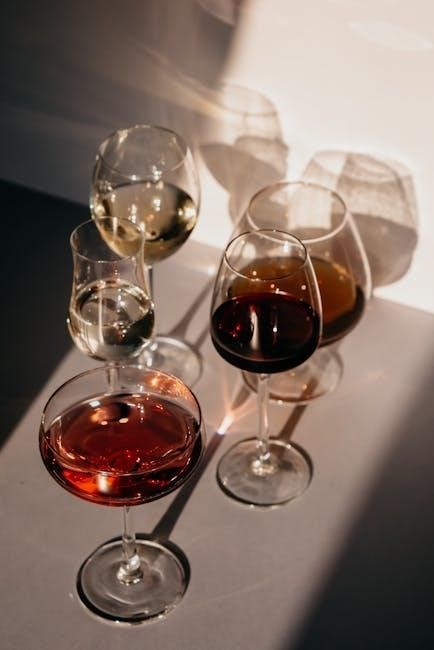
There are fundamentally two main types: red and white, distinguished by the color of the grape juice used and whether the grape skins are included during fermentation. Beyond these, you’ll encounter rosé, sparkling wines, and fortified wines, each with its unique characteristics. Don’t be overwhelmed; understanding the basics is the first step!
Understanding the Two Main Types: Red vs. White
The primary difference between red and white wine lies in the production process, specifically skin contact. Red wines are made with the grape skins during fermentation, lending them color, tannins (which create a drying sensation), and complex flavors. Think dark fruits, spices, and earthy notes.
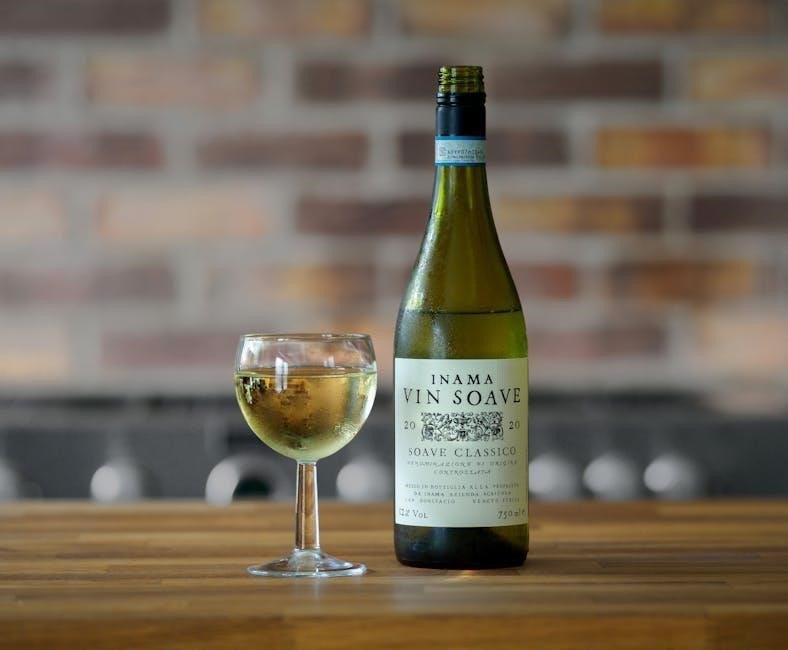
White wines, conversely, are typically made without skin contact. The juice is separated from the skins before fermentation, resulting in lighter-bodied wines with brighter acidity and flavors like citrus, green apple, and floral aromas; However, some “orange wines” do utilize skin contact for white grapes, creating a unique style.
Generally, red wines pair well with richer foods like red meat and aged cheeses, while white wines complement lighter fare such as fish, poultry, and salads. But remember, these are just guidelines – experimentation is key! Both red and white wines offer a world of exploration.
Key Wine Grapes: A Beginner’s Overview
Wine grapes, or varietals, profoundly impact a wine’s flavor profile. Understanding a few key grapes is a great starting point. Grapes thrive in specific climates – a concept known as “terroir” – influencing their characteristics. While thousands exist, focusing on the popular ones simplifies things.
Think of grapes as the building blocks of wine. Each offers unique aromas and tastes. For example, Cabernet Sauvignon often presents blackcurrant and cedar notes, while Pinot Noir leans towards red fruit and earthiness. Chardonnay can range from crisp and citrusy to buttery and oaky, depending on winemaking choices.
Exploring these foundational grapes will build your palate and help you articulate what you enjoy. Don’t be afraid to try single-varietal wines to truly appreciate each grape’s distinct personality!
Popular Red Grape Varieties
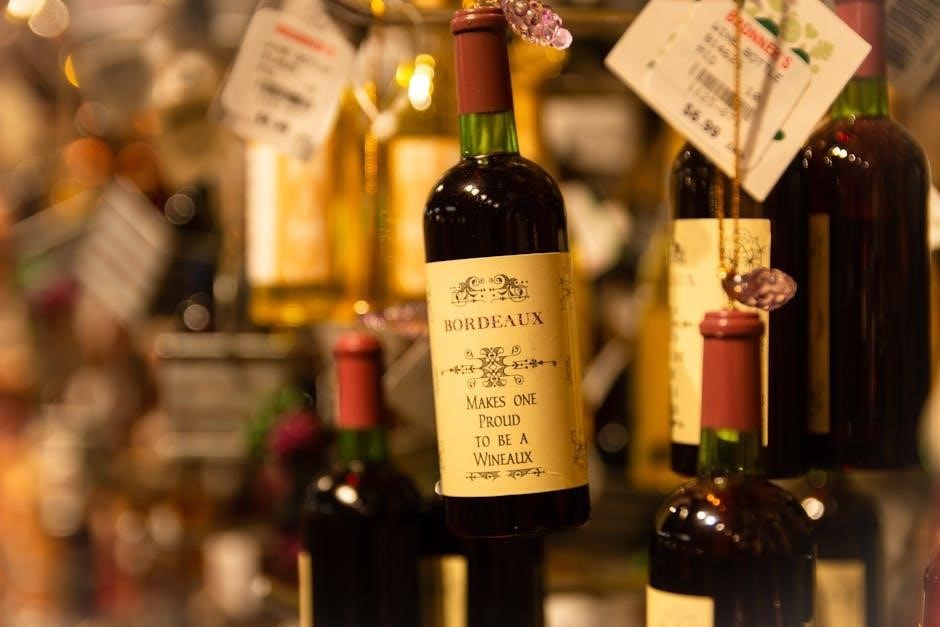
Let’s dive into some beloved red grapes! Cabernet Sauvignon is arguably the most recognized, producing full-bodied wines with black fruit flavors and often, cedar or tobacco notes. It’s a cornerstone of Bordeaux blends. Merlot offers a softer profile, showcasing red fruit like plum and cherry, with a velvety texture.
Pinot Noir is known for its elegance and complexity, displaying red fruit, earthy undertones, and high acidity. It’s famously finicky to grow! Syrah/Shiraz (same grape, different names) delivers bold, peppery wines with dark fruit and smoky characteristics. Finally, Malbec, originating from France but thriving in Argentina, offers rich, dark fruit flavors and a smooth finish.
These varieties provide a fantastic starting point for exploring the diverse world of red wine. Experiment and discover your preferences!
Popular White Grape Varieties
Now, let’s explore some delightful white grapes! Chardonnay is incredibly versatile, ranging from crisp and unoaked to rich and buttery depending on winemaking techniques. It’s a global favorite. Sauvignon Blanc is known for its herbaceousness and vibrant acidity, often displaying notes of grapefruit and passionfruit.
Riesling offers a wide spectrum of sweetness, from bone-dry to lusciously sweet, with characteristic floral aromas and high acidity. Pinot Grigio/Gris (again, different names) is light-bodied and refreshing, with subtle citrus and pear flavors. Gewürztraminer is aromatic and spicy, often exhibiting lychee and rose petal notes.
These grapes represent a great introduction to the world of white wine, offering diverse flavors and styles to suit any palate. Cheers to discovery!
Decoding Wine Labels: What Do All Those Words Mean?
Wine labels can seem like a foreign language! Understanding key terms unlocks a wealth of information. Varietal indicates the grape type (e.g., Chardonnay). Appellation denotes the geographic origin – crucial for understanding style. Vintage signifies the year the grapes were harvested, impacting flavor due to weather conditions.
Terms like “Reserve” or “Estate Bottled” don’t always guarantee quality, but often suggest a producer’s higher-tier offering. Alcohol by Volume (ABV) is straightforward. Look for clues about sweetness – “Dry” means little residual sugar, while “Late Harvest” suggests a sweeter style.
Don’t be afraid to research unfamiliar terms! Many resources are available to help you decipher the label and make informed choices.
Understanding the Region of Origin
Where a wine comes from profoundly impacts its character! Climate, soil, and winemaking traditions define regional styles. France’s Bordeaux region is famed for Cabernet Sauvignon and Merlot, while Burgundy excels with Pinot Noir and Chardonnay. Italy’s Tuscany produces iconic Sangiovese-based wines.
California’s Napa Valley is known for rich Cabernet Sauvignons, and Argentina’s Mendoza region delivers bold Malbecs. Even within regions, microclimates matter. Understanding these origins helps predict a wine’s flavor profile.
Exploring different regions is a fantastic way to broaden your palate and discover new favorites. Don’t hesitate to research specific areas and their signature grapes!
Vintage: Why the Year Matters
The vintage, or year the grapes were harvested, isn’t just a number! Weather conditions during the growing season dramatically influence wine quality. A warm, sunny year typically yields ripe, full-bodied wines, while cooler, wetter years produce lighter, more acidic wines.
However, “good” and “bad” vintages are relative. Skilled winemakers can often overcome challenging conditions. Resources like Wine Spectator and Robert Parker’s Wine Advocate offer vintage charts, providing insights into specific regions and years.
Don’t be afraid to explore wines from different vintages to experience how weather impacts flavor. It’s a fascinating aspect of wine appreciation!
The 6-Step Wine Tasting Method
Transform from wine drinker to wine taster with this simple, structured approach! The 6-step method enhances your appreciation and allows you to articulate what you experience.
This systematic process involves Sight (examining color and clarity), Swirl (releasing aromas), Smell (identifying scents), Sip (coating your mouth), Savor (noting the finish), and Summarize (forming an overall impression).
Don’t worry about identifying every aroma initially; focus on broad categories like fruit, floral, or spice. Practice makes perfect! Blind tastings, where you don’t know the wine, are excellent for honing your skills. Enjoy the journey of discovery!
Step 1: Sight ⎼ Examining the Wine’s Appearance
Begin your tasting journey by observing the wine in your glass! Tilt the glass against a white background to assess its color and clarity. This initial visual inspection provides clues about the wine’s age, grape variety, and potential body.
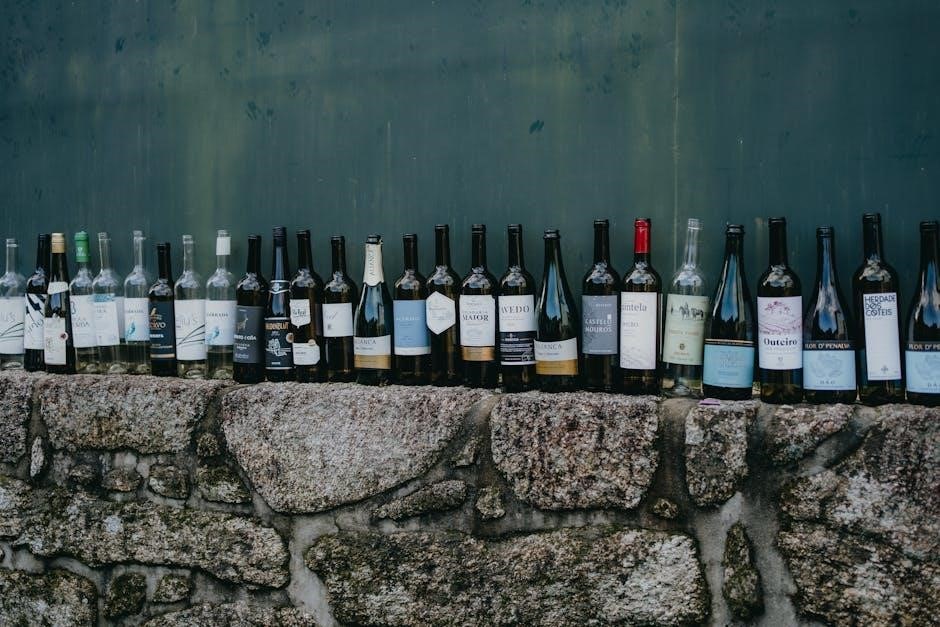
For red wines, look for variations from purple (young) to ruby or brick red (older). White wines range from pale straw to golden hues. Clarity indicates whether the wine has been filtered; slight haziness isn’t necessarily a flaw.
Also, observe the “legs” or “tears” that form on the glass sides after swirling – they hint at alcohol content and glycerol, contributing to the wine’s texture.
Step 2: Swirl ⎼ Releasing the Aromas
Now, gently swirl the wine in your glass! This crucial step aerates the wine, releasing its captivating aromas. Think of it like unlocking a hidden bouquet – swirling increases the surface area, allowing volatile compounds to evaporate and reach your nose.
Hold the glass by the stem to avoid warming the wine with your hand. A gentle swirl is sufficient; vigorous shaking isn’t needed! Observe how the wine clings to the glass – this can offer further clues about its alcohol content and body.
Prepare to inhale deeply after swirling, as the released aromas are key to understanding the wine’s character.
Step 3: Smell ⎼ Identifying the Aromas
With the aromas released, it’s time to put your nose to work! Inhale deeply, but gently, allowing the wine’s scent to fill your nostrils. Don’t be afraid to take multiple sniffs – aromas can evolve over time.
What do you smell? Don’t overthink it! Common aromas include fruits (berries, citrus, apple), flowers (rose, violet), spices (pepper, clove), and even earthy notes (mushroom, forest floor).
Try to be specific. Instead of just “fruit,” can you identify which fruit? There’s no right or wrong answer; it’s about your personal perception. This step is vital for building your wine vocabulary and understanding its complexity.
Step 4: Sip ⎼ Tasting the Wine
Now for the moment you’ve been waiting for – the sip! Take a moderate sip, enough to coat your entire mouth. Hold it there for a few seconds, allowing the wine to interact with all your taste buds. Don’t swallow immediately; let the flavors develop.
Pay attention to the wine’s basic tastes: sweetness, acidity, tannins (that drying sensation, common in red wines), and bitterness. Consider the body – is it light, medium, or full-bodied?
How do these elements balance each other? A well-balanced wine will have a harmonious interplay of flavors. Don’t be afraid to aerate the wine in your mouth slightly, like chewing, to unlock more nuances.
Step 5: Savor ‒ The Finish and Aftertaste
After you swallow (or spit, if you’re tasting multiple wines!), pay attention to the “finish.” This is the lingering sensation of flavors that remain in your mouth. A longer finish is generally considered a sign of higher quality wine.
Note the aftertaste – are the flavors similar to those you detected on the nose and palate, or do new ones emerge? Does the finish feel pleasant and balanced, or is it abrupt and harsh?
Consider the length of the finish: short, medium, or long. A long finish indicates complexity and depth. This stage is crucial for forming a complete impression of the wine.
Step 6: Summarize ⎼ Forming Your Opinion
Now, the fun part: decide if you like the wine! Don’t worry about being “right” or using fancy terminology. Wine appreciation is subjective. Consider all the previous steps – appearance, aroma, taste, and finish – and how they combined.
Was the wine balanced? Did the flavors harmonize? Did it leave a pleasant impression? Jot down a few notes about your experience. What did you enjoy? What didn’t you like?

Remember, personal preference reigns supreme. There’s no shame in disliking a highly-rated wine. This process builds your palate and helps you discover your own tastes!
Food and Wine Pairing: A Simple Guide
Elevate your dining experience by pairing wine with food! It’s not about strict rules, but enhancing flavors. The goal is balance – you want the wine and food to complement each other, not clash.
Consider the intensity of both. Bold wines pair with bold foods, while lighter wines suit delicate dishes. Sweetness in food makes wine taste less fruity and softer. Salty foods, conversely, can highlight a wine’s fruitiness and tannins.
Acidic foods benefit from wines with high acidity. Experiment! Don’t be afraid to try different combinations and discover what you enjoy. Start simple and build from there.
Basic Pairing Principles (Sweet, Salty, Acidic Foods)
Understanding how flavors interact is key to successful pairing. Sweet foods diminish a wine’s fruitiness and increase its acidity, so opt for wines sweeter than the dish – think Riesling with fruit tarts. Salty foods, however, soften tannins and enhance fruit flavors, making a Cabernet Sauvignon ideal with steak.
Acidic foods, like salads with vinaigrette, require wines with high acidity to avoid tasting flat. Sauvignon Blanc or Pinot Grigio are excellent choices. Remember, matching intensity is crucial; a delicate fish won’t stand up to a full-bodied red.
These are guidelines, not rules! Experimentation is encouraged.
Wine Storage Basics: Keeping Your Wine Fresh
Proper storage preserves wine’s quality and allows it to age gracefully. The ideal conditions are cool, dark, and humid – around 55-65°F (13-18°C) with 70% humidity. Avoid direct sunlight and temperature fluctuations, which can prematurely age wine.
Storing bottles on their side keeps the cork moist, preventing it from drying out and letting air in. A wine fridge is ideal, but a cool, dark closet can work for short-term storage. Long-term storage requires more consistent conditions.
Don’t forget, even unopened bottles have a limited lifespan!
Resources for Further Learning
Continue your wine education with these excellent resources! The Wine & Spirits Education Trust (WSET) offers structured courses, from beginner to expert levels, providing in-depth knowledge. Wine Scholar Guild provides regional specialization, focusing on France, Italy, and Spain.
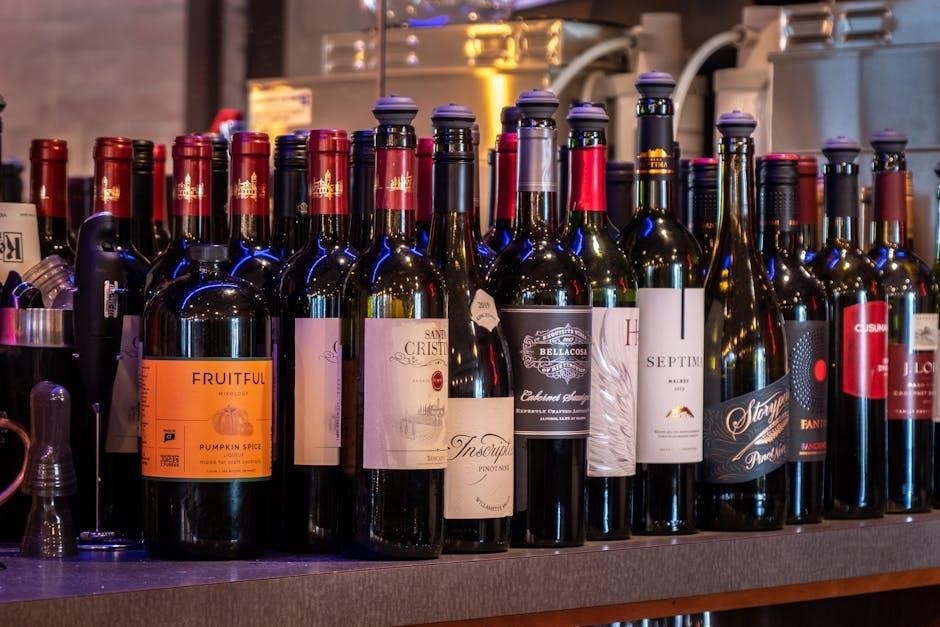
Numerous online platforms, like Wine Folly and Vivino, offer accessible articles, maps, and tasting notes. Explore wine apps to track your preferences and discover new bottles. Don’t hesitate to ask experts at your local wine shop for recommendations!
Forbes contributors also offer independent insights into the wine world, expanding your understanding.